
Septic Field Installation in Reese, Michigan
If you live on a rural property in Reese without access to municipal sewer, your septic field is the part of the system that treats and disperses wastewater into the soil. L and L excavating installs septic drain fields for new construction and replacement systems, using proper excavation and grading to support long-term performance. Soil conditions in this part of Michigan vary from sandy loam to heavy clay, and each type affects how well the field drains and how large the system needs to be.
This service includes excavation for the drain field area, placement of distribution lines, and installation of gravel and filtration layers that allow effluent to percolate into the soil. The work ensures correct placement and slope so the system operates reliably without surfacing or backup. You get a septic field that meets local health department requirements and handles your household or building wastewater without failure.
Contact L and L excavating to discuss septic field installation needs for your property in Reese.
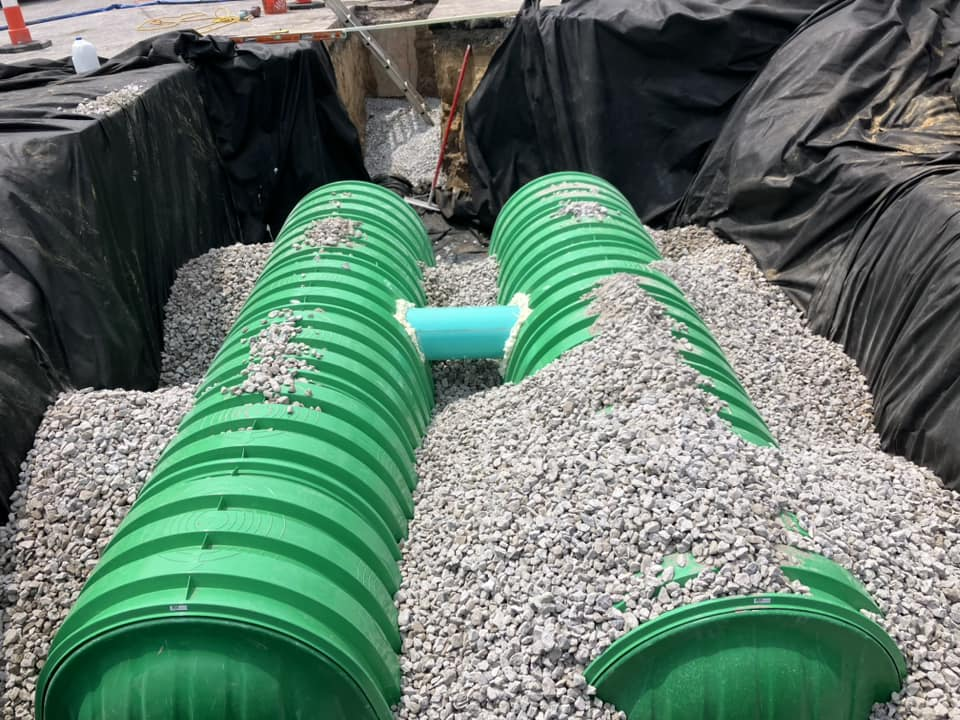
How the Field Gets Laid Out and Built
Installation begins with testing soil absorption and determining the size and layout of the drain field based on your septic tank output and soil type. Excavation in Reese creates trenches or a bed area where perforated distribution pipe is laid in gravel, then covered with filter fabric and soil. The system is graded to ensure even distribution of effluent across the field.
After installation, you will see a restored yard surface with no standing water or odor, and your septic system will drain properly without backup into the house or surfacing in the yard. Wastewater moves from the tank into the field and filters through soil as it is designed to do.
Clay-heavy soil slows absorption and may require a larger field or additional drainage features, while sandy soil drains quickly but needs careful sizing to meet health code. The service does not include septic tank installation or pumping, but it works in coordination with those systems. This work is required when building new or replacing a failed field that no longer percolates correctly.
You Probably Have Questions About the Process
Septic field installation depends on soil testing, space availability, and local regulations. Here are common questions property owners ask before moving forward with a new or replacement drain field.
If you need a new septic field installed or an old system replaced, L and L excavating handles the excavation and grading with attention to soil type, spacing, and local requirements. We serve properties throughout Mid-Michigan and can help you plan a system that works for your land.